What pet sitting really involves day to day
You've watched a neighbor's dog a few times, people keep asking, and you're wondering whether this could become real income. The hard part isn't feeding or cuddles. It's being alone in someone else's home, making judgment calls about an animal that isn't yours, while the owner is a plane ride away and expects you to get it right every single visit.
Pet sitting usually comes in three formats. Drop-in visits happen in the client's home, often several times a day. Overnight stays mean sleeping at the client's house so the pets keep their routine. Boarding and daycare happen at your place, where local rules allow it. Most people start with drop-ins because they need no extra space and fit around other work.
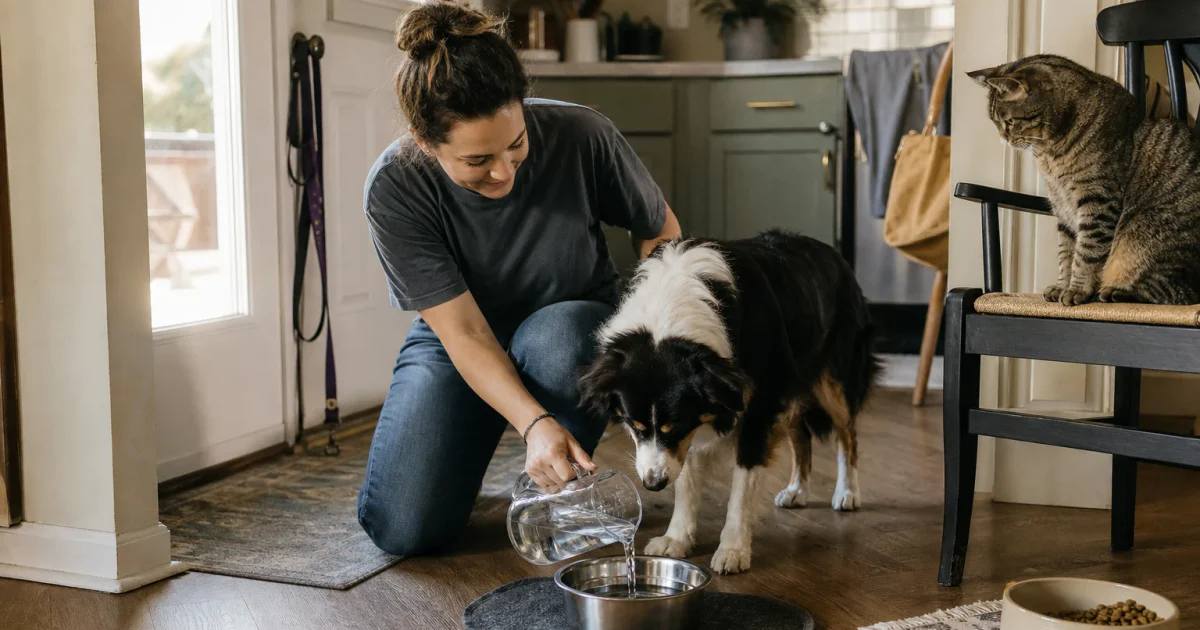
A realistic day might be an early dog visit for breakfast and a walk, two cat visits mid-morning, a midday potty break for the same dog, then evening feeds, with driving in between. The schedule changes week to week as clients travel. And a visit planned for thirty minutes can stretch to an hour when a frightened dog won't come back inside or a cat hasn't touched its food.
The hours are irregular, too. The Bureau of Labor Statistics notes that animal care work often includes evenings, weekends, and holidays, which is exactly when owners go away.
What a good visit looks like
Most owners don't know how to judge a sitter, so give them a standard they can see. The Pet Professional Guild publishes a minimum-care checklist for owners hiring a sitter, and it makes a solid baseline for your own routine. Among other points, it calls for recording appetite and water intake at every visit, washing food dishes after each meal, at least three visits a day for dogs (two if there's a pet door), and at least one visit a day for cats, with the litter box cleaned each time.
Notice how many of those are about observation, not chores. Writing down that a dog left half its dinner, or that a cat's water level hasn't dropped since yesterday, is how small problems get caught early. Build the same sequence into every visit so nothing depends on memory.
- Check what's left of the food and water from last visit, and note it
- Feed, refresh water, and wash bowls
- Bathroom break or litter scoop, noting anything unusual
- Walk or play based on the pet's normal routine
- Quick home check: doors, windows, any accidents
- Send the owner an update before you leave
The skills clients actually look for
Everyone who applies says they love animals, so that won't set you apart. Owners are really hiring someone they can stop worrying about, and that comes down to a few traits.
Reliability comes first: arriving in your agreed window, every visit, without reminders. Next is communication, meaning quick replies to inquiries and updates sent without being asked. Attention to detail and patience matter a lot, especially with older pets, anxious rescues, or animals on strict feeding plans. Finally, calm problem-solving. When a door won't lock or a dog seems off, clients want to hear what you noticed, what you did, and what you'd suggest next.
Be honest about your limits. If you've never handled a reactive dog or given medication, say so up front. Turning down a job you're not ready for builds more trust than struggling through it.
Getting experience before you charge
Care.com's beginner advice is sensible: decide which animals you're comfortable with, then practice with friends, family, and neighbors. Shelter volunteering is another good route, because it gets you used to unfamiliar animals with very different temperaments.
Treat those early sits like paid jobs. Write down each pet's routine, send updates, and ask for a short written reference afterward. A handful of documented sits with happy owners says far more than a vague claim of lifelong pet experience.
Marketplace platforms can bring your first paying clients. Each one sets its own entry requirements, which may include age limits, background checks, or a safety quiz, so read the platform's own sign-up pages for your country before applying.
Certification and other credibility boosters
You don't need a certificate to pet sit, but one can reassure cautious clients. Pet Sitters International offers the Certified Professional Pet Sitter (CPPS) credential. According to its certification page, the exam has 100 questions, a three-hour limit, and an 80% pass mark, and keeping the credential requires 30 continuing-education units every three years. Fees change, so check the page for current details.
Pet first aid courses are offered by associations and local providers as well. They don't replace a vet, but they can make you more confident handling the unexpected while you get professional help on the line.
From occasional sits to a steady business: intake
The jump from favors to a business usually happens at intake. Casual sitters take a set of keys and a hurried note. Professionals screen, meet, and write things down.
Start with a short phone call. Confirm dates, location, how many pets and what kind, and any medical or behavior concerns. If the job is outside your skills or service area, you've saved everyone a trip.
Then book a meet-and-greet at the client's home. Allow 30 to 45 minutes, sit down at a table, and run it like a business meeting rather than a social visit. Meet the pets, walk through the routine room by room, and go over your policies on cancellations, emergencies, and what happens if you can't reach the owner.
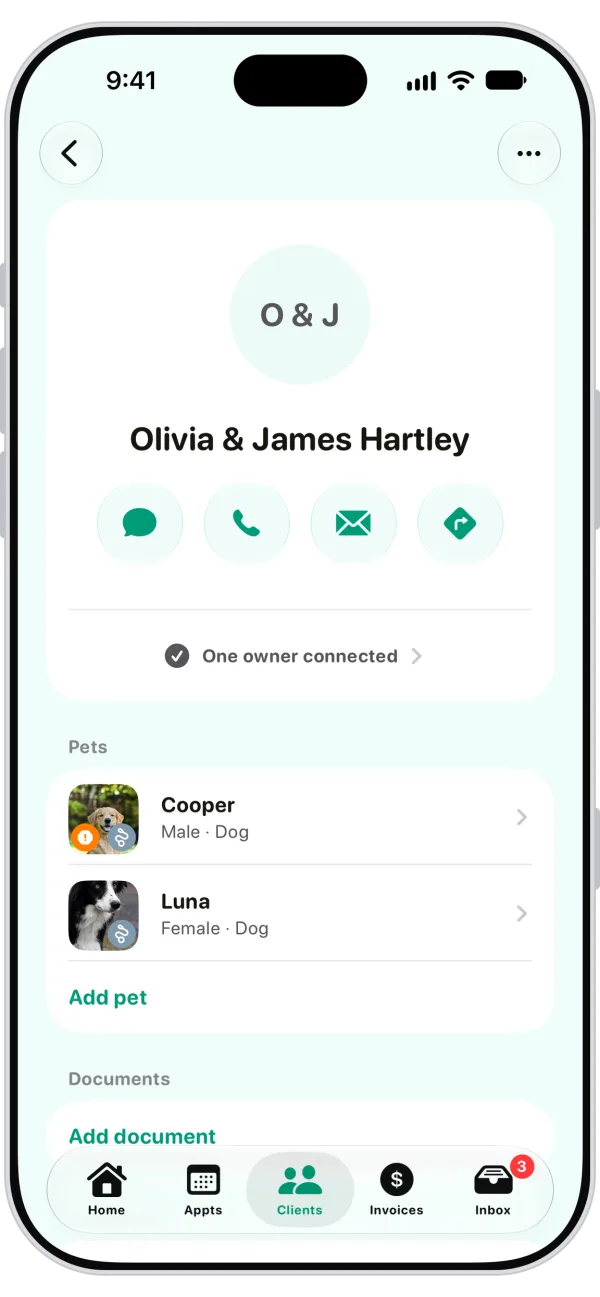
Everything you learn has to be easy to find at 6 a.m. in a driveway. In Walkies, client and pet profiles keep household details, access info, emergency contacts, vaccinations, and documents together, and clients can sign your contract in the app before the first visit.
- Feeding amounts, times, and where food is kept
- Any medications and exactly how the owner gives them
- Vet name, address, and an emergency contact
- Keys, lockbox, or alarm codes
- Hiding spots, escape risks, and off-limits areas
- What the owner wants in updates, and how often
Updates that earn rebookings
Repeat business mostly comes down to how the owner felt while they were away. A few habits go a long way: send at least one photo every visit, mention what the pet ate and drank, flag anything unusual plainly, and answer messages fast.
Picture two sitters caring for the same kind of cat. One texts "All good!" once a day. The other sends a photo of the cat at the window, notes that it ate most of its breakfast and used the litter box, and mentions that the back door was sticking. The second owner knows exactly what's happening at home, and that's the sitter they'll call next time.
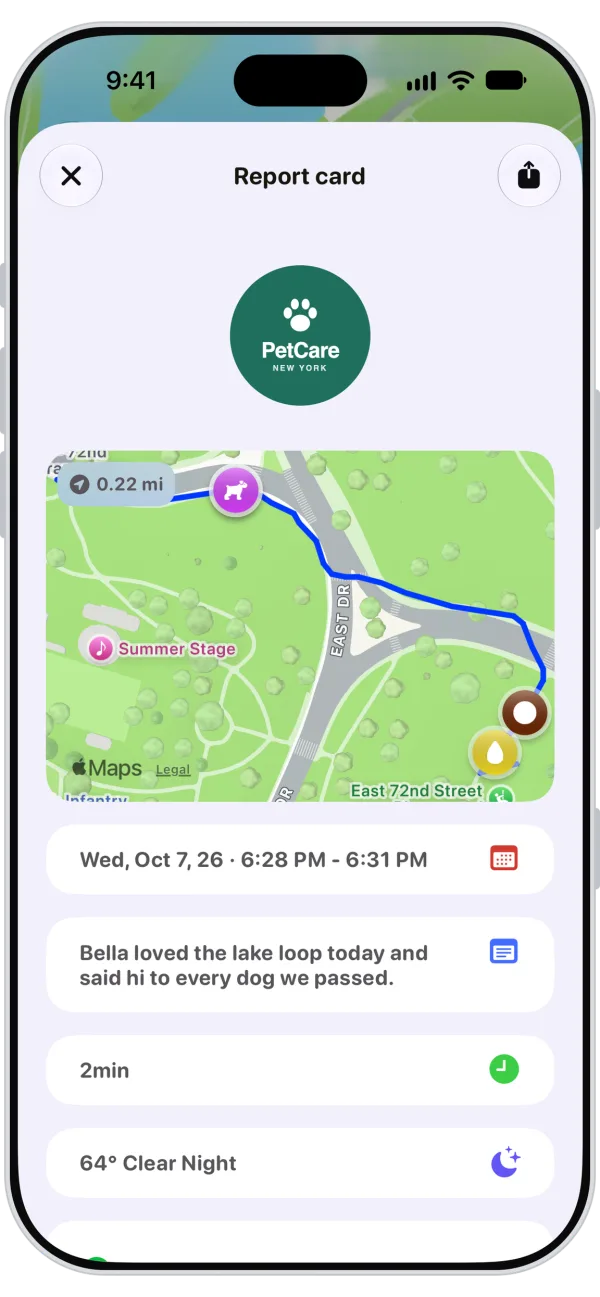
Walkies handles drop-ins, overnights, boarding, and daycare, and drop-ins come with a live timeline of the visit. After each visit you can send a shareable report card with a photo and checklist. Once the trip ends, send a personal thank-you, and before the client's usual travel times, a friendly note asking if they'd like to book.
Work out your real weekly capacity
Before you market yourself, figure out how many households you can actually serve. Say you split the day into three windows: morning, midday, and evening. If drive times let you fit three visits in each window, you have nine slots a day.
At three visits a day per dog household, three dog clients fill every slot. Two dog households plus three cat households at one visit each fill it too. Add an overnight stay and your evenings and early mornings are now tied to one house, which shrinks those windows further.
Run the numbers for your busiest weeks, not your quiet ones. Knowing your ceiling lets you say no early, keep a waitlist, and avoid the rushed, late visits that cost you clients.
Before you go pro
Turning sits into a business brings paperwork, and the details depend on where you live. Pet Sitters International and Care.com's beginner guide both point new sitters toward the same set of topics, so make a short list and check each one before you start charging regularly.
Do I need a license or certification to become a pet sitter?
Certification is optional, though a credential like the CPPS can reassure clients. Business license and permit requirements depend on your city and state, so check with your local government before you start charging.
How do I get pet sitting experience if I have none?
Practice with friends, family, and neighbors, volunteer at a shelter, and document each sit with notes, photos, and a written reference. Treat every early sit like a paid job.
How many visits a day does a pet sitter make?
The Pet Professional Guild suggests at least three visits a day for dogs (two with a pet door) and at least one a day for cats. Follow whatever you agree with the owner, and factor visit frequency into how many clients you take on.
What should I cover in a meet-and-greet?
Meet the pets, walk through feeding, medication, and home access, collect vet and emergency contacts, agree how often you'll send updates, and go over your cancellation and emergency policies.